


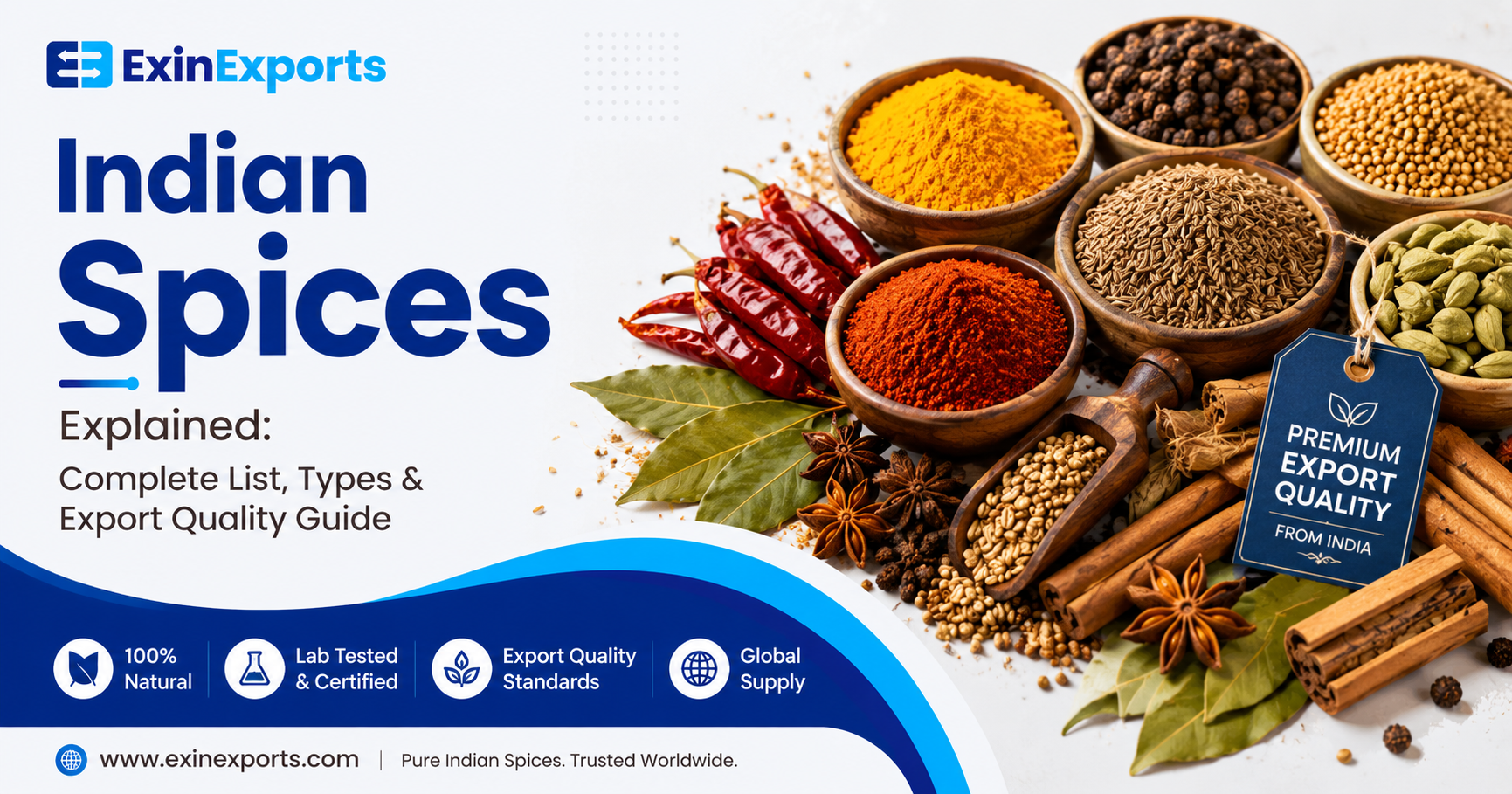
India has been growing and trading spices for thousands of years, long before “spice trade” became a textbook phrase. If you’re looking into indian spices, whether for your kitchen or your supply chain, you’ll find a mix of history, variety, and quality that’s genuinely hard to find anywhere else. This piece walks through the main types, the names worth knowing, and what actually separates a good batch from an average one when you’re buying at scale.
India and Spices: A Bond That Powers Global Kitchens
The link between India and spices isn’t a marketing angle, it’s geography and history working together. Different regions grew what their soil and climate allowed, and over centuries that turned into specialisations: black pepper along the Kerala coast, saffron in the Kashmir Valley, and chillies across Andhra Pradesh. Each area still leans into what it does best.
That’s really why the bond between India and spices has held up. Chefs, food brands, and importers keep coming back not out of habit but because the aroma and flavor are consistently strong, batch after batch, in a way that’s tough to copy elsewhere.
Indian Spices List With Names You Should Know
If you’re new to Indian ingredients, a solid indian spices list with names is the easiest place to start. Here’s a rundown of what shows up most often:
- Turmeric, the earthy, golden-yellow one most people recognise on sight
- Cumin seeds, used in nearly every Indian curry base
- Coriander seeds, mild and a little citrusy
- Cardamom, equally at home in sweet dishes and savoury ones
- Black pepper, still called the king of spices for a reason.
- Mustard seeds, common in tempering oil and pickles
- Fenugreek, slightly bitter, often part of larger spice blends
That indian spices list with names barely scratches the surface, honestly. India grows and exports hundreds of varieties, and which ones matter to you will depend on what you’re cooking or selling.
To see the full range we currently work with, check out our Agro Products division.
Whole vs Ground Spices
People often ask which is better, whole or ground. Whole spices keep their aroma longer and work well in dishes that simmer for a while. Ground spices are just faster for everyday cooking or for food production lines that need consistency batch after batch. Most buyers end up sourcing both, depending on shelf life and how the product will actually be used.
Why the Export of Indian Spices Continues to Grow
Demand for real, unprocessed flavor has kept the export of indian spices climbing year after year. India is still the world’s largest producer and exporter of spices, shipping everything from bulk chili powder to small, premium batches of saffron.
A few reasons buyers keep choosing Indian sourcing:
- One supply chain covers a huge range of spice types.
- Pricing that’s genuinely competitive against other producing countries
- Certifications already in place, including Spice Board India, FSSAI, and GMP
- A farming base large enough to supply year-round, not just in season
- Exporters here have handled high-volume shipments for decades.
The export of indian spices isn’t just about volume either. A lot of it comes down to buyers wanting clean, traceable ingredients, something India was doing long before “clean-label” became a buzzword on packaging.
How To Export Spices From India: A Simple Overview
If you’ve never done this before, figuring out how to export spices from india can feel like a lot at once. In practice, though, it’s a fairly predictable process once you’re working with someone who’s done it many times.
Here’s roughly how to export spices from india, step by step:
- Pick the product and lock down quality specs
- Verify the supplier and check their certifications.
- Approve samples and confirm quantities
- Handle documentation, packaging, and quality testing
- Ship, clear customs, and track delivery
A certified exporter handles most of this for you. That matters more than people expect, because inconsistent quality and delayed shipments are the two things first-time buyers worry about most.
Quality Standards That Matter
Not every supplier holds to the same standard. Before you commit to an order, it’s worth checking:
- Moisture content and how well it’s been shelf-life tested
- Pesticide residue and contamination results
- Packaging built for long shipping distances, not just local delivery
- Certifications that match your destination country’s requirements
- Traceability back to the farm, not just the shipment
None of this is optional if you’re buying in bulk. Flavor matters, but so does knowing exactly what you’re getting.
For a closer look at what we supply, visit our Spices page.
Practical Tips for Sourcing Spices From India
Start small if you’re new to this. Order samples first, test a few shipments, and let the relationship build before you commit to large volumes. It’s a slower way in, but it tells you a lot about how consistent a supplier really is once you’re past the first order.
This growing interest in authentic sourcing is something we’ve written about elsewhere too, in The Growing Global Need for Real Indian Flavors.
Final Thoughts
India’s spice trade goes back centuries, and it still sets the bar for both variety and quality. Whether you’re buying for your own kitchen or sourcing for a business, understanding the types, the process, and the quality checkpoints puts you in a much stronger position. Work with the right partner, and sourcing spices from India stops being complicated, it just takes a bit of the right information upfront.
Frequently Asked Questions
1. What are the most popular spices grown in India?
Turmeric, cumin, coriander, cardamom, and black pepper are the ones you’ll see most often in both cooking and export catalogues.
2. What’s the process for importing spices directly from India?
Find a certified exporter, request samples, check their certifications, and lock down packaging and shipping terms before placing a bulk order.
3. Why does India lead the world in spice exports?
Wide variety, competitive pricing, and established certifications all play a part, which is why India remains the largest global supplier.
4. Are whole spices better than ground spices?
Whole spices hold their aroma longer and suit slow cooking, while ground spices are more convenient for quick, everyday use.
5. What certifications should I check before importing spices from India?
Look for Spice Board India registration, FSSAI compliance, and GMP certification. Those three cover most of what matters for consistent quality.