


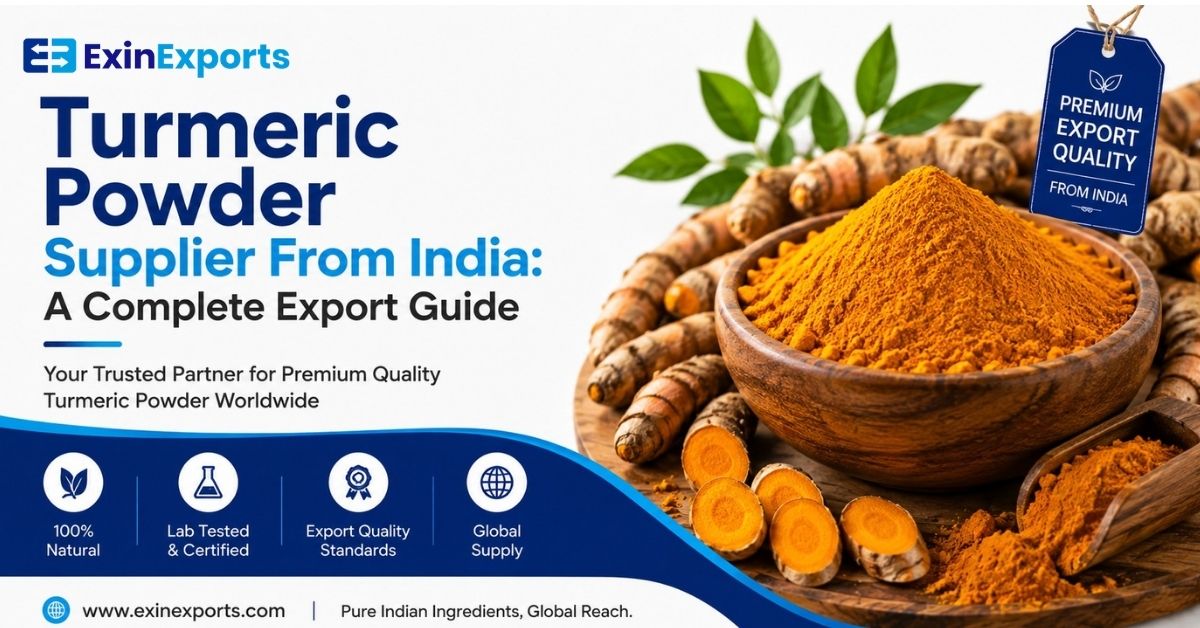
Sourcing genuine turmeric powder from India isn’t always straightforward. Colour fades, moisture levels shift, and curcumin content varies more than most buyers expect. This guide breaks down what to check, how the export process works, and where deals typically go wrong.
India’s turmeric belt runs through Andhra Pradesh, Telangana, Tamil Nadu, and parts of Maharashtra, with Erode and Nizamabad as major trading hubs. Turmeric powder suppliers in India range from small regional grinders to large export-ready units, and the gap between them is bigger than most buyers realise.
Sourcing sounds simple on the surface. Find a supplier, agree on a price, and place the order. Reality is messier than that. This is exactly where working with an established name for Turmeric Powder Export from India makes a difference. An experienced partner has already seen what can go wrong and knows how to catch it before it becomes your problem.
What Makes a Reliable Turmeric Powder Supplier
Not every seller runs their business the same way, and a low price rarely tells you anything useful on its own. A dependable one earns that reputation through a handful of specific, checkable things, not vague promises.
Before you commit to an order, it’s worth running through this list:
- Curcumin content clearly stated on the spec sheet, usually somewhere between 2% and 5%
- Moisture kept under 10%; otherwise, you’ll deal with clumping in transit
- Lab reports covering pesticide residue and heavy metals, not just a certificate of quality
- Particle size that stays consistent from batch to batch, not just in the sample they send
- Food-grade packaging, typically multi-layer bags or drums depending on order size
- A shipment track record you can actually verify through past buyers
- Straight answers on lead times, especially heading into harvest season when everyone’s backlogged
Skip this checklist and you’ll likely find out the hard way. One batch looks bright yellow; the next arrives duller with a slightly different smell. That usually traces back to sourcing from mixed farm lots without proper blending.
How to Export Turmeric Powder From India
Once you’ve shortlisted a supplier, the export process follows a fairly standard path, though the paperwork trips up a lot of new buyers.
Understanding how to export turmeric powder from India before placing your first order saves weeks of back-and-forth later.
Documents You’ll Need
Every shipment typically requires the following:
- IEC (Import Export Code) registration for the exporter
- APEDA registration, since turmeric falls under agricultural products
- FSSAI licence confirming food safety compliance
- Phytosanitary certificate issued after inspection
- Commercial invoice and packing list
- Certificate of origin for customs clearance in the buyer’s country
- Fumigation certificate, if the shipment goes by sea in wooden pallets
Most delays don’t come from the turmeric itself. They come from missing or mismatched paperwork.
A supplier who understands how to export turmeric powder from India properly will prepare these documents in parallel with production, not after the order is packed.
Buyers looking to compare pricing and shipping timelines across regions often check listings tied to Global Food Markets, which gives a rough sense of where Indian rates sit. It’s a useful reference point, though final terms should always come from direct supplier communication.
Turmeric Powder Exporters in India vs Suppliers
The terms get used interchangeably, but there’s a real difference. Turmeric powder exporters in India generally manage the full chain, from procurement and processing to shipping and customs documentation.
Local suppliers usually sell to a distributor or exporter and rarely deal with overseas buyers directly.
This distinction matters if you’re a first-time bulk buyer. Go straight to turmeric powder exporters in India and you’ll deal with fewer middlemen, which usually means better accountability when something goes wrong. A domestic-only supplier may not even have export paperwork ready, and that gap tends to show up as delays nobody budgeted for.
Qualities of a Dependable Turmeric Powder Supplier
A few traits tend to show up again and again, no matter the size of the company:
- They share third-party lab reports without you having to ask twice
- Their processing facility can be visited, or at least video-verified, before you commit to a large order.
- They’re flexible on minimum order quantities while you’re still testing the relationship.
- They give straight answers on shelf life and how the product should be stored
If a supplier dodges any of these, that’s usually reason enough to keep looking.
Packaging, Quality & Export Standards
Turmeric powder doesn’t hold up well to light, moisture, or heat, so packaging is never just an afterthought. Most turmeric powder suppliers in India use multi-layer craft paper bags with an inner polyethylene lining for bulk orders and vacuum-sealed pouches for smaller retail-ready shipments.
Shelf life under proper storage typically runs 12 to 18 months, though colour and aroma start softening a little earlier if conditions aren’t controlled.
Getting this right the first time is far easier when working with an experienced Exporter From India who already knows which packaging holds up on longer sea routes.
Before signing off on a contract, ask your turmeric powder suppliers in india for a pre-shipment sample matching the exact specification, not just a general product sample from their catalogue.
Conclusion
Finding the right turmeric powder supplier comes down to checking the details most buyers overlook: curcumin content, moisture levels, documentation readiness, and packaging suited to your shipping route. Take the time to verify lab reports and ask for pre-shipment samples before committing to a large order. A reliable one will welcome these questions rather than avoid them.
FAQs
1. How much curcumin content should good turmeric powder have?
Most export-quality turmeric powder falls between 2% and 5% curcumin, depending on variety and processing method.
2. What documents are required to export turmeric powder from India?
You’ll typically need an IEC code, APEDA registration, FSSAI licence, phytosanitary certificate, and a certificate of origin.
3. What is the shelf life of turmeric powder?
Under proper storage conditions, turmeric powder generally stays fresh for 12 to 18 months.
4. What’s the difference between an exporter and a local supplier?
Exporters handle the full chain including shipping and customs paperwork, while local suppliers often sell only within the domestic market.
5. What packaging is best for bulk turmeric powder exports?
Multi-layer craft paper bags with polyethylene lining are standard for bulk shipments, while vacuum-sealed pouches suit smaller retail orders.